Practical solutions

C++ Howtos How-To Guides

Solve the problem. Keep building. Collection of C++ how-to articles

Find the answer you need

Browse practical solutions, grouped by the task you're working on.

__COUNT__ entries on this page
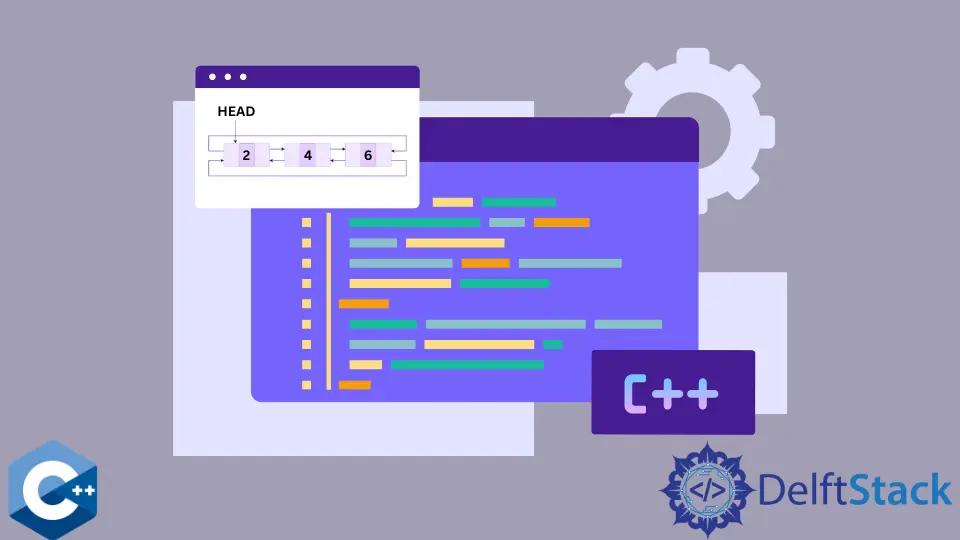
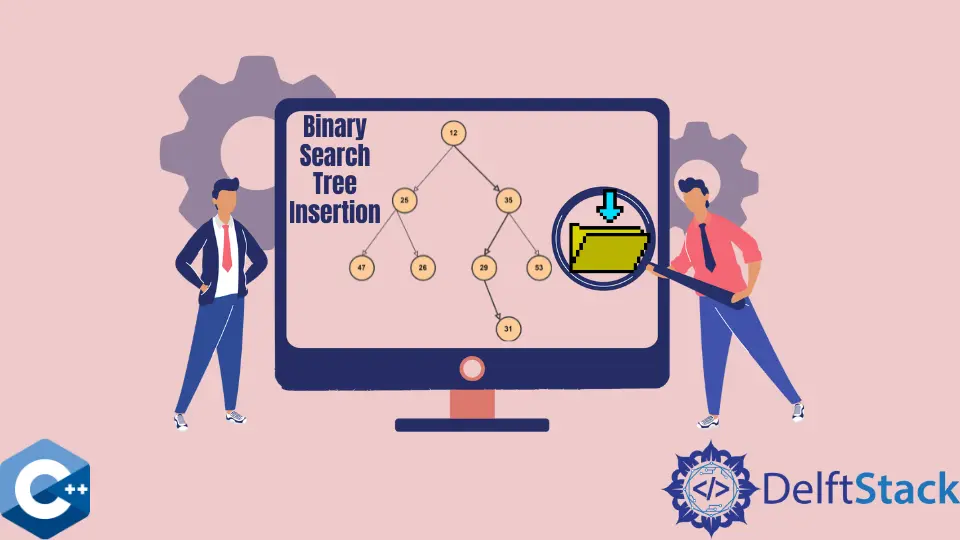
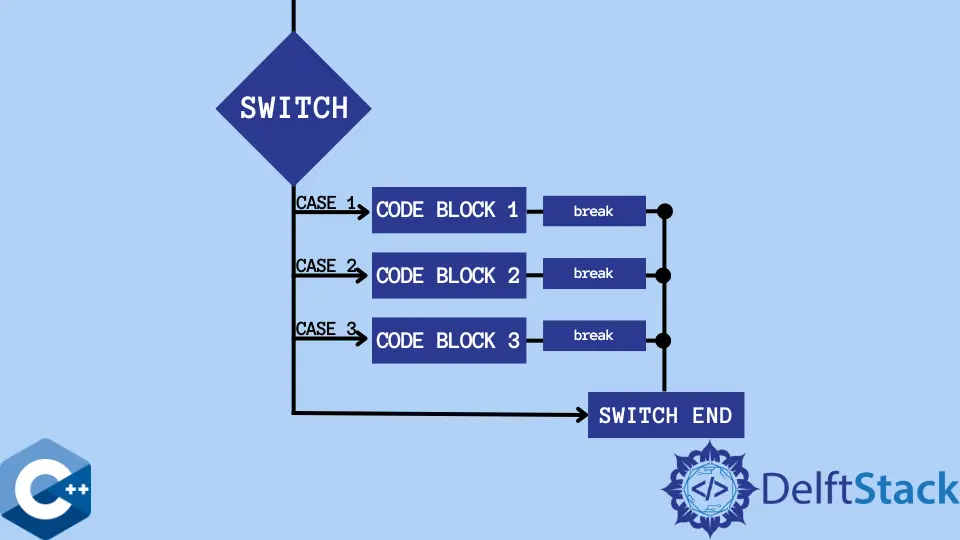
Function Overloading VS Overriding in C++This article explores the differences between function overloading and overriding in C++. It provides clear examples and explanations to help C++ programmers understand how to use these powerful features effectively. Discover how to enhance your code's flexibility and maintainability with these essential concepts. exit(1) in C++This article explores the usage of exit(1) in C++, focusing on how to effectively manage program termination and error handling. Learn how to implement the exit function, understand its significance, and discover best practices for using exit codes. Whether you're a beginner or an experienced developer, this comprehensive guide will enhance your understanding of C++ programming. How to Use the STL Priority Queue in C++This article introduces how to use the STL priority queue in C++. Discover the basic operations, custom comparisons, and how to manage complex data types with practical examples. Learn to efficiently implement priority queues in your C++ programs and enhance your coding skills. The Difference Between Function Arguments and Parameters in C++This article explains the differences between function arguments and parameters in C++. Learn how parameters define the structure of functions while arguments provide the actual values during function calls. Enhance your C++ programming skills by mastering these essential concepts for clearer and more efficient code. How to Use the const Keyword With Pointers in C++This article explains how to effectively use the const keyword with pointers in C++. It covers constant pointers to non-constant data, pointers to constant data, and constant pointers to constant data. Learn the benefits of using const in C++ to enhance data integrity and safety in your coding practices. How to Use a Conditional Operator in C++This article explores how to use the conditional operator in C++, providing clear examples and best practices. Learn the syntax, advantages, and when to use this powerful tool to enhance your programming skills. Whether you're a beginner or experienced developer, this guide will help you write cleaner and more efficient code. The std::min_element Algorithm From STL in C++This article demonstrates how to use the std::min_element algorithm from STL in C++. Learn to find the smallest element in arrays and vectors with practical examples. Understand custom comparisons and improve your C++ coding skills. Discover the power of the STL in your programming projects today. The std::hash Template Class in C++This article explains the multiple use cases of the std::hash template class in C++. Learn how to efficiently hash built-in and custom types, and discover how to combine std::hash with STL components for enhanced performance in your C++ applications. The std::back_inserter Function Template in C++This article demonstrates how to use the std::back_inserter function template in C++. Learn about its advantages, practical examples, and how it simplifies inserting elements into containers. Discover how to enhance your C++ programming skills with this powerful utility. Static Function in C++This article explores static member functions in C++, explaining how to utilize them effectively. Learn how to define, use, and benefit from static functions, along with practical examples. Enhance your programming skills with insights into common use cases and best practices. Overloaded Constructor in C++This article demonstrates how to implement overloaded constructors in C++. Learn the benefits and flexibility of using overloaded constructors in C++. Explore clear examples and enhance your C++ programming skills with this informative guide. How to Implement Inorder Traversal for Binary Search Tree in C++This article demonstrates how to implement inorder traversal for binary search trees in C++. Learn both recursive and iterative methods with clear C++ code examples, making it easy for you to retrieve data in sorted order. Enhance your programming skills by mastering these techniques for efficient tree navigation. Circular Doubly Linked List in C++This article provides a comprehensive guide on implementing a circular doubly linked list in C++. Learn about its structure, advantages, and how to perform essential operations like insertion, deletion, and searching. Whether you are a beginner or an experienced programmer, this guide will help you understand and utilize this powerful data structure effectively. Binary Search Tree Insertion in C++This article explains how to implement insert functions for binary search trees in C++. Learn the recursive and iterative methods for inserting nodes, along with clear code examples and detailed explanations. Enhance your programming skills and understand the fundamentals of binary search trees in C++. Nested Classes in C++This article introduces nested classes in C++, discussing their characteristics and advantages. Learn how to use nested classes to improve code organization and encapsulation. Discover practical examples and best practices to enhance your C++ programming skills. How to Overload Subscript Operator in C++This article explains how to overload the subscript operator in C++. Learn the benefits, syntax, and practical examples to enhance your C++ programming skills. Discover how to implement this technique for custom data structures and improve code readability. Breaks in C++ Switch StatementExplore the functionality of break statements in C++ switch statements and learn the differences between using break and omitting it. This comprehensive article provides clear examples and explanations to enhance your understanding of switch statements in C++. Perfect for beginners and experienced programmers alike, discover how to effectively manage control flow in your C++ programs. How to Implement Interfaces Using Abstract Class in C++This article explores how to implement interfaces using abstract classes in C++. Learn the definition, properties, and implementation of abstract classes in C++, enabling you to create flexible and reusable code. Discover practical examples and understand how to leverage abstract classes to enhance your C++ programming skills. Difference Between Structure and Class in C++This article explores the differences between structures and classes in C++. Discover their unique features, use cases, and how to effectively utilize them in your C++ programming. Learn about access modifiers, inheritance, and when to choose one over the other for optimal code efficiency. Default Constructor and Default Keyword in C++This article explores the default constructor and the default keyword in C++. Learn how these concepts simplify object creation, enhance code clarity, and help prevent errors in C++. Whether you're a novice or an experienced programmer, this guide provides insights into using default constructors effectively in your C++ applications. Garbage Collection in C++This article explores garbage collection in C++, focusing on manual memory management. Learn how to effectively allocate and deallocate memory using techniques like `new`, `delete`, and smart pointers. Discover best practices to avoid memory leaks and dangling pointers, ensuring efficient and robust C++ applications. Cotangent Function in C++This guide explores the cotangent function in C++, offering clear examples and explanations. Learn how to implement trigonometric functions effectively, handle edge cases, and enhance your programming skills. Perfect for beginners and seasoned developers alike, this article provides practical insights into using the cotangent function in your C++ projects. Time(NULL) Function in C++This article explores the time(NULL) function in C++, explaining its purpose and usage. Learn how to retrieve the current calendar time in seconds since 1 January 1970 and convert it into a human-readable format. Discover how to measure time intervals for performance testing and logging events effectively. Enhance your C++ programming skills with practical examples and clear explanations. Multiple Code Files in C++This tutorial explores using multiple code files in C++ to enhance project organization and manageability. Learn how to separate files in a C++ project, improve collaboration, and streamline development. Discover the benefits of header and implementation files, and follow step-by-step instructions to create a structured codebase. Perfect for beginners and experienced developers alike, this guide will help you refactor and maintain your code more efficiently.