Practical solutions

C Howtos How-To Guides

Solve the problem. Keep building. Collection of C how-to articles

Find the answer you need

Browse practical solutions, grouped by the task you're working on.

__COUNT__ entries on this page
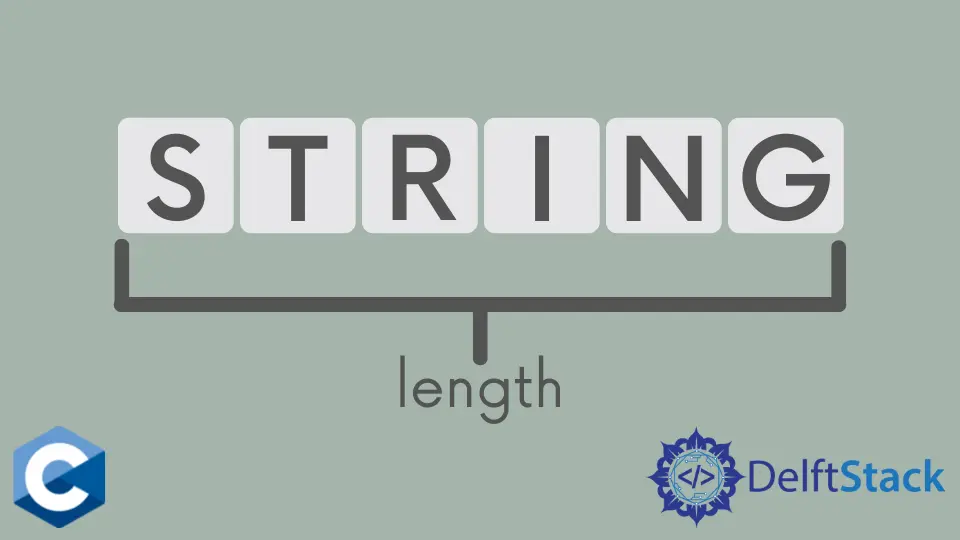
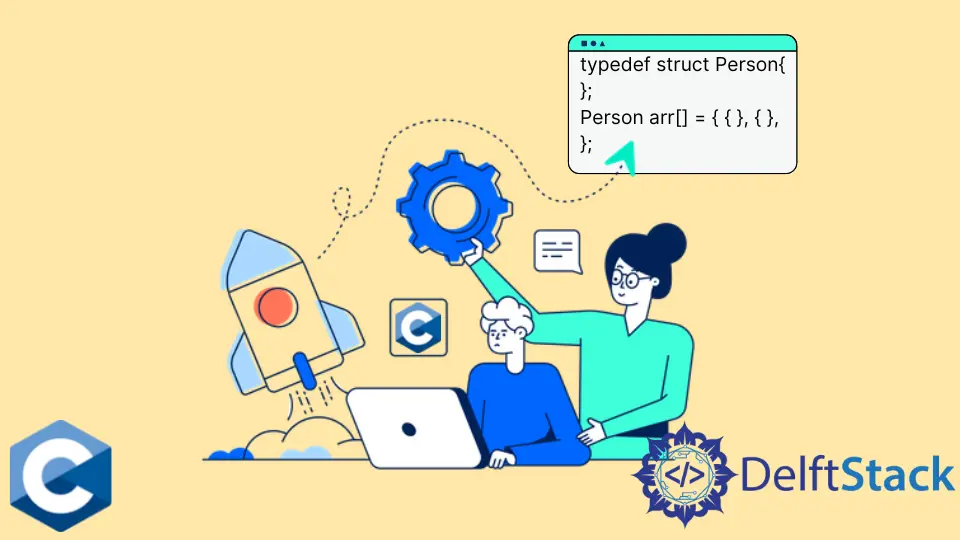
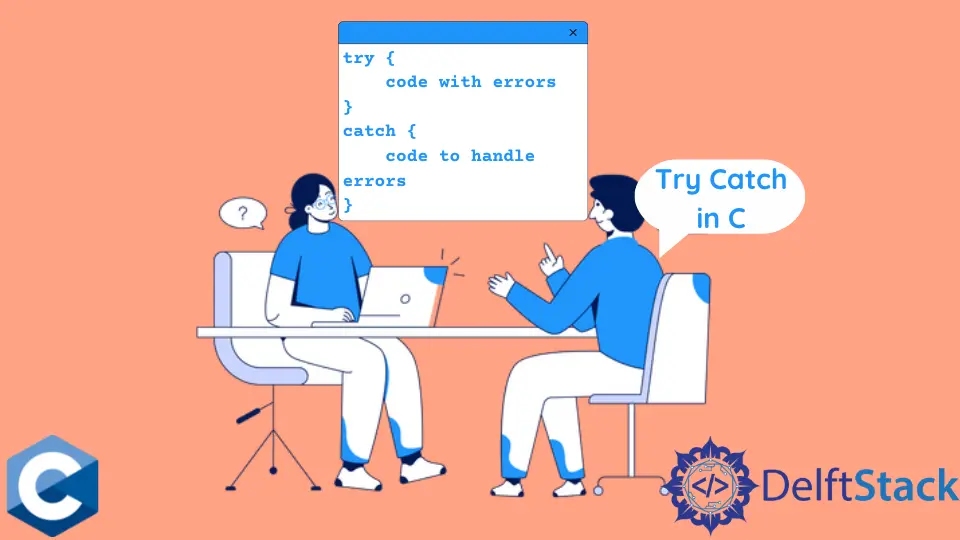
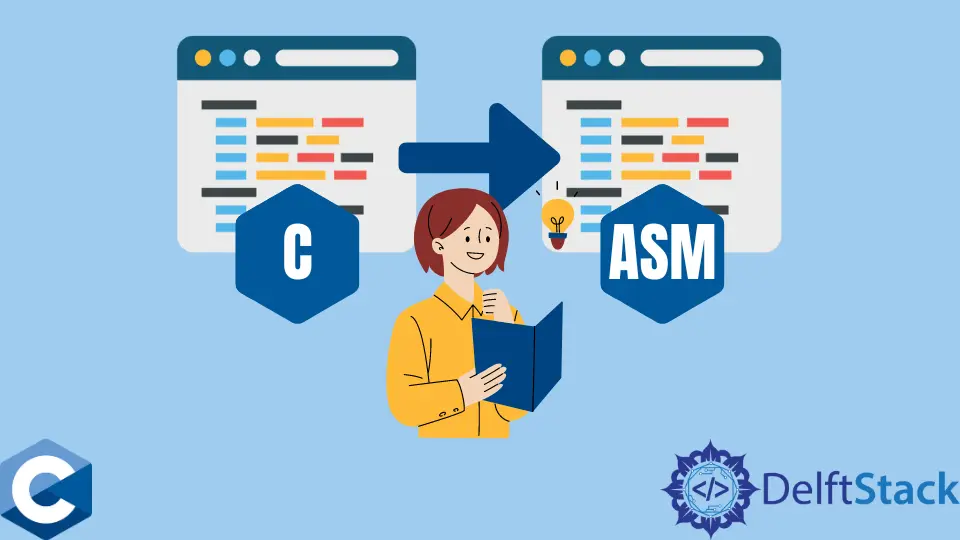
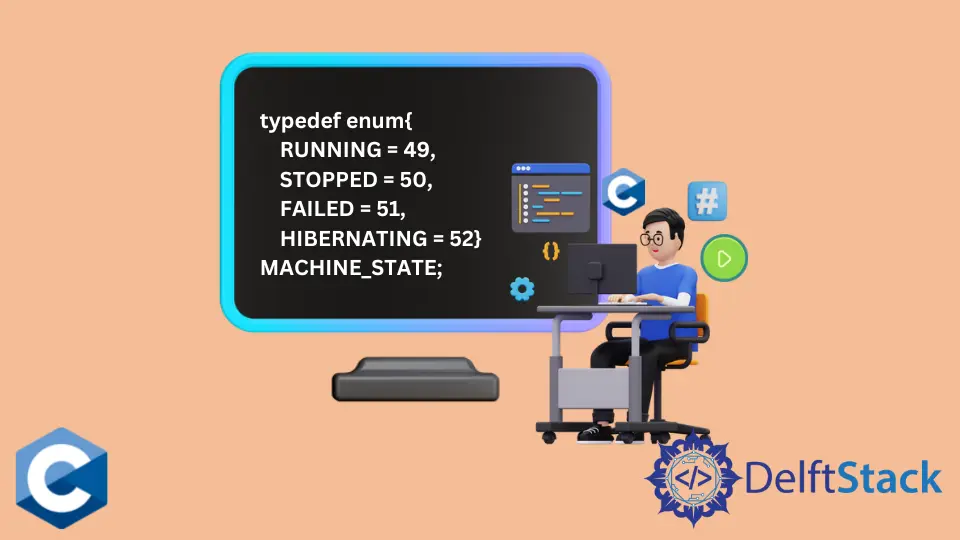
How to Get Length of Char Array in CThis article demonstrates how to get the length of a char array in C. How to Initialize Array of Structs in CInitialize an array of structs in C with a brace list, runtime allocation, or a function and loop, with guidance on memory cleanup and safe string copying. How to Use the execlp Function in CThis article introduces how to use the execlp function in C How to Compare Bits in CThis article demonstrates how to compare bits in C. Try Catch in CThis article demonstrates an example of implementing try-catch behavior in C, which by default, does not support try-catch/exception handling mechanisms. How to Convert a C Program to AssemblyThis compact guide to convert a C program to Assembly equivalent. How to Convert Integer to Char in CLearn when to add '0', assign an integer value to char, or format a character as a string in C. How to Use the strdup Function in CLearn how strdup duplicates a string in C, how to check and free its allocated copy, and when to use strndup or GNU strdupa. Arithmetic Right Shift in CLearn how C's single >> operator shifts unsigned values and why right-shifting a negative signed integer is not portable. The register Keyword in CLearn how the register storage-class specifier works in C, including declarations, address restrictions, pointers, and scope. How to Print a Hexadecimal Value in CThis article demonstrates how to print a hexadecimal value in C Programming Language. How to Initialize an Array to 0 in CLearn how to initialize a C array to zero with {0}, a loop, or memset, and when C zero-initializes an array automatically. How to Check if String Contains Substring in CCheck whether a C string contains an exact substring with the standard strstr function, a manual loop, or the GNU strcasestr extension for case-insensitive matching. How to Align Columns in printf Function in CLearn how to align C output with printf field widths, dynamic widths, and zero-padded integers. MIN and MAX Function in COne can use macros or loops to implement the MIN and MAX function in C. How to Read File Line by Line Using fscanf in CLearn how fscanf reads bounded line content and whitespace-delimited tokens in C, and when fgets is the better choice for reliable line input. i++ vs ++i in CThis article explores the differences between the prefix increment operator (++i) and the postfix increment operator (i++) in C programming. Learn how to use these operators effectively with clear examples and practical implications for your code. Understand when to use each operator to enhance your programming skills and avoid common pitfalls. How to Use typedef enum in CThis article introduces how to use typedef enum in C, explaining its benefits and providing clear examples. Learn how to enhance code readability and maintainability with typedef enum, and discover how to use it in structs. Whether you're a beginner or looking to refine your skills, this guide will help you navigate enums in C with ease. How to Read a File in CThis article introduces how to read a file in C, covering methods like reading character by character, line by line, and storing data in an array. Learn essential techniques and best practices for efficient file handling in your C programs. Explore clear examples and explanations to enhance your programming skills. How to Print Formatted Text in CThis article demonstrates how to print formatted text in C using the printf function. Learn about format specifiers, controlling output width, and special characters to enhance your C programming skills. Discover practical examples and tips for creating clear and professional output in your programs. How to Fix Free Invalid Pointer Error in CThis article introduces how to fix free invalid pointer errors in C programming. Learn effective methods to troubleshoot and resolve memory management issues, including using Valgrind, initializing pointers to NULL, and avoiding double freeing. Improve your coding practices and write safer C programs with these practical solutions. How to Compare Strings in CThis article introduces how to compare strings in C, covering essential methods like `strcmp`, `strncmp`, and manual comparison. Learn the nuances of string representation and gain practical examples to enhance your C programming skills. Whether you're a beginner or looking to refine your knowledge, this comprehensive guide will help you understand string comparisons effectively. The Modulo Operator in CThis article introduces the modulo operator in C, explaining its usage and applications. Learn how to check even and odd numbers, use it in loops, and see clear examples to enhance your programming skills. Perfect for beginners and experienced programmers alike. How to wait Function in CThis article introduces how to use the wait function in C, providing insights into process management. Learn about its syntax, see practical code examples, and understand error handling. Whether you're a beginner or looking to enhance your skills, this guide will help you master the wait function for effective process control in your C applications.