How to Fix java.lang.IllegalStateException in Java
- Understanding java.lang.IllegalStateException
- Checking Object Initialization
- Managing Lifecycle States
- Handling Concurrent Modifications
- Conclusion
- FAQ
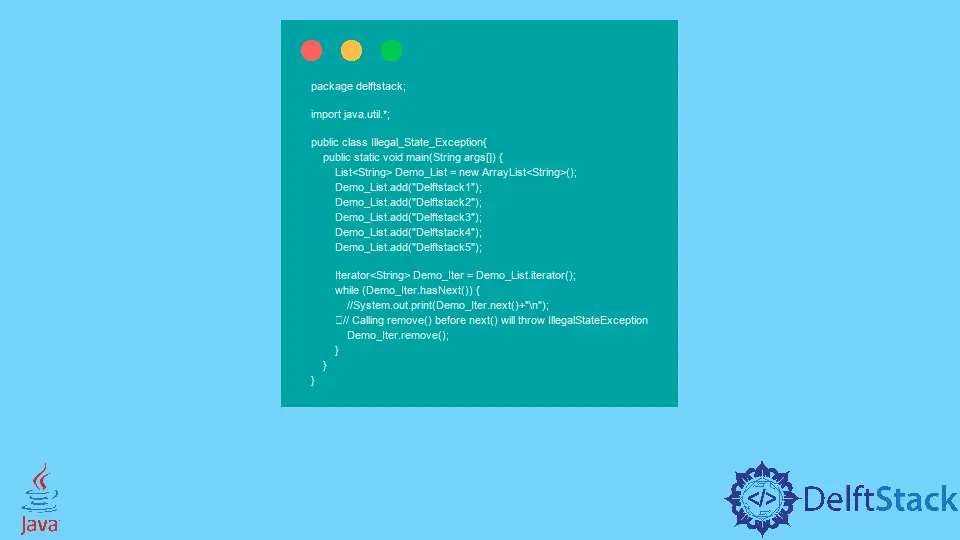
When working with Java, encountering exceptions is a common hurdle for developers. One such exception that can cause frustration is the java.lang.IllegalStateException. This exception indicates that a method has been invoked at an inappropriate time, meaning the object’s state does not allow the method to be executed. Understanding the circumstances that lead to this exception is crucial for effective debugging and ensuring smooth application performance.
In this tutorial, we will delve into what java.lang.IllegalStateException is, when it occurs, and how to fix it in your Java applications. By the end of this article, you’ll have a solid grasp of how to identify the root causes of this exception and implement effective solutions to avoid it in the future.
Understanding java.lang.IllegalStateException
The java.lang.IllegalStateException is part of the Java standard library and is a runtime exception that signals that a method has been invoked at an inappropriate time. This can happen for various reasons, such as calling a method on an object that is not yet initialized, calling a method that is not allowed in the current state of the object, or attempting to modify an object that is immutable.
Common scenarios where this exception might arise include:
- Attempting to access a resource that has not been opened.
- Trying to modify a collection while iterating over it.
- Invoking lifecycle methods of a component in an incorrect order.
Recognizing these scenarios can help you avoid running into IllegalStateException and lead to more robust code.
Checking Object Initialization
One of the most frequent causes of java.lang.IllegalStateException is attempting to call a method on an object that hasn’t been properly initialized. To resolve this, ensure that your objects are fully initialized before invoking their methods.
Here’s an example of how to check for proper initialization:
public class DatabaseConnection {
    private boolean isConnected = false;

    public void connect() {
        // Simulating connection establishment
        isConnected = true;
    }

    public void executeQuery(String query) {
        if (!isConnected) {
            throw new IllegalStateException("Database not connected");
        }
        // Execute the query
    }
}

// Usage
DatabaseConnection db = new DatabaseConnection();
db.executeQuery("SELECT * FROM users");
In this example, if you try to execute a query without first calling the connect() method, an IllegalStateException is thrown. To fix this, always ensure that you call connect() before executing any queries.
Output:
Exception in thread "main" java.lang.IllegalStateException: Database not connected
Proper initialization is key. Always check the state of your object before performing operations on it. This practice not only prevents exceptions but also enhances the clarity and maintainability of your code.
Managing Lifecycle States
Another common source of java.lang.IllegalStateException arises from improper management of an object’s lifecycle, especially in GUI applications or when dealing with resources that require specific states. It is crucial to follow the correct order of operations to avoid this exception.
Consider the following example with a simple GUI component:
import javax.swing.*;

public class MyFrame extends JFrame {
    public MyFrame() {
        setTitle("My Frame");
        setSize(300, 200);
        setDefaultCloseOperation(JFrame.EXIT_ON_CLOSE);
    }

    public void showFrame() {
        if (!isDisplayable()) {
            throw new IllegalStateException("Frame is not displayable");
        }
        setVisible(true);
    }
}

// Usage
MyFrame frame = new MyFrame();
frame.showFrame();
In this case, if you try to show the frame before it is properly set up, an IllegalStateException will be thrown. To avoid this, always check whether the component is in a valid state before invoking methods that rely on that state.
Output:
Exception in thread "main" java.lang.IllegalStateException: Frame is not displayable
Managing lifecycle states effectively is essential. Always ensure components are initialized and ready before invoking methods that depend on their state. This will not only prevent exceptions but also lead to a smoother user experience.
Handling Concurrent Modifications
Concurrent modifications can also lead to java.lang.IllegalStateException. When you modify a collection while iterating over it, Java throws this exception to indicate that the collection’s state has changed unexpectedly. To handle this, use an Iterator or a concurrent collection.
Here’s an example demonstrating the issue:
import java.util.ArrayList;
import java.util.List;

public class ConcurrentModificationExample {
    public static void main(String[] args) {
        List<String> names = new ArrayList<>();
        names.add("Alice");
        names.add("Bob");
        names.add("Charlie");

        for (String name : names) {
            if (name.equals("Bob")) {
                names.remove(name);
            }
        }
    }
}
In this scenario, modifying the list while iterating over it will throw an IllegalStateException. To fix this, you can use an Iterator:
import java.util.ArrayList;
import java.util.Iterator;
import java.util.List;

public class SafeModificationExample {
    public static void main(String[] args) {
        List<String> names = new ArrayList<>();
        names.add("Alice");
        names.add("Bob");
        names.add("Charlie");

        Iterator<String> iterator = names.iterator();
        while (iterator.hasNext()) {
            String name = iterator.next();
            if (name.equals("Bob")) {
                iterator.remove();
            }
        }
    }
}
Using an Iterator allows you to safely remove elements from the collection without causing an IllegalStateException.
Output:
Names after removal: [Alice, Charlie]
To avoid IllegalStateException due to concurrent modifications, always use an Iterator for safe removal during iteration. This practice ensures your code remains robust and error-free.
Conclusion
The java.lang.IllegalStateException can be a stumbling block for many Java developers, but understanding its causes and how to fix it can significantly improve your coding experience. By ensuring proper initialization, managing lifecycle states correctly, and handling concurrent modifications, you can prevent this exception from disrupting your applications.
Remember, the key to writing resilient Java code lies in understanding the state of your objects and ensuring that methods are called at appropriate times. With the strategies outlined in this article, you can tackle IllegalStateException with confidence.
FAQ
-
What is java.lang.IllegalStateException?
java.lang.IllegalStateException is a runtime exception in Java that indicates a method has been invoked at an inappropriate time. -
How can I avoid IllegalStateException in my Java code?
You can avoid IllegalStateException by ensuring proper initialization of objects, managing lifecycle states correctly, and handling concurrent modifications safely. -
Can I catch IllegalStateException in my code?
Yes, you can catch IllegalStateException using a try-catch block to handle the exception gracefully and prevent your application from crashing. -
What are some common scenarios where IllegalStateException occurs?
Common scenarios include accessing uninitialized resources, calling methods in the wrong order, and modifying collections while iterating over them. -
Is IllegalStateException checked or unchecked?
IllegalStateException is an unchecked exception, which means it does not need to be declared in a method’s throws clause.

Sheeraz is a Doctorate fellow in Computer Science at Northwestern Polytechnical University, Xian, China. He has 7 years of Software Development experience in AI, Web, Database, and Desktop technologies. He writes tutorials in Java, PHP, Python, GoLang, R, etc., to help beginners learn the field of Computer Science.
LinkedIn Facebook