Practical solutions

Linux Howtos How-To Guides

Solve the problem. Keep building. Collection of Linux how-to articles

Find the answer you need

Browse practical solutions, grouped by the task you're working on.

__COUNT__ entries on this page
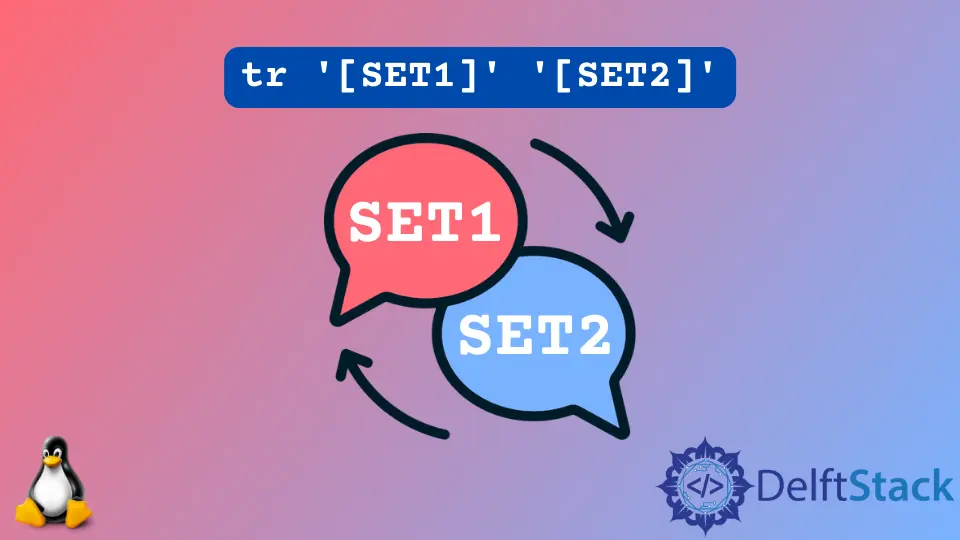
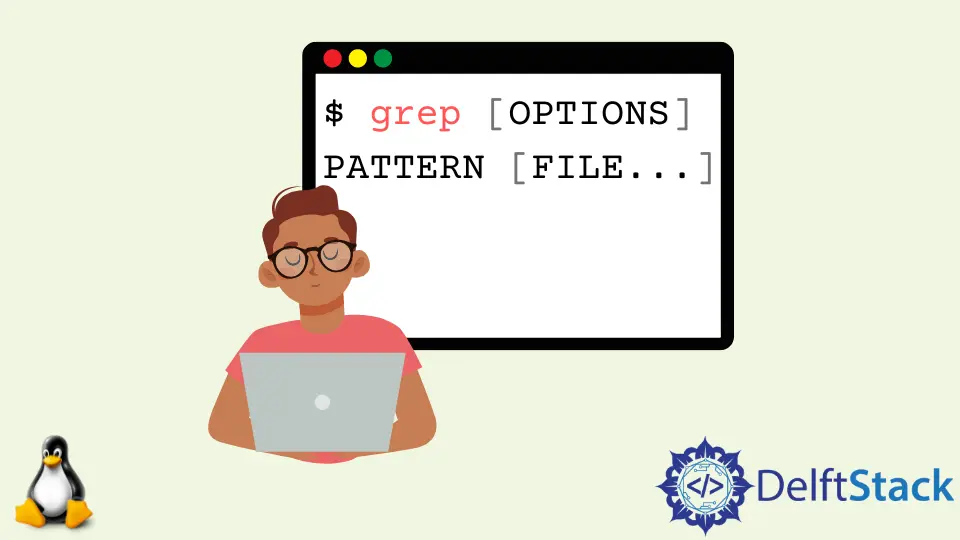
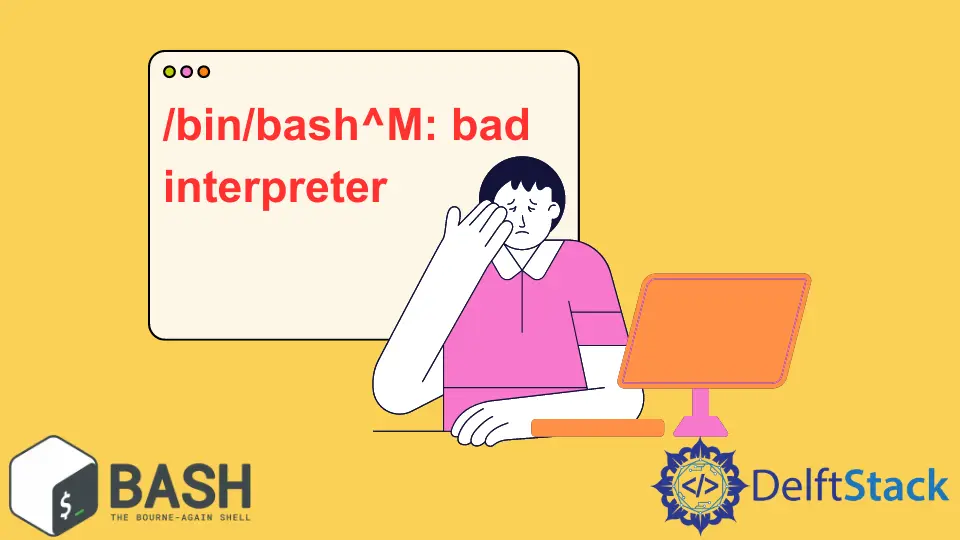
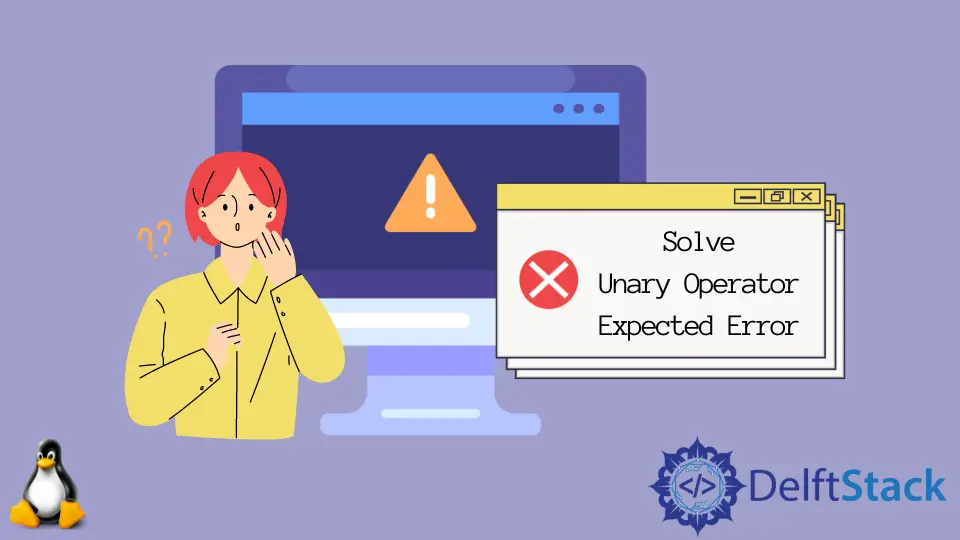
How to Delete Files Recursively in LinuxThis article explains how to delete files recursively in Linux, focusing on Git commands. Learn effective techniques to manage your files and directories, ensuring a clean and organized workspace. Master recursive deletion with practical examples and tips for safely handling your Git repositories. How to Copy Files Recursively in LinuxThis article explains how to copy files recursively in Linux, focusing on Git commands for effective file management. Learn to clone repositories and copy files within a project, enhancing your productivity and organization skills. Discover practical techniques and examples to streamline your workflow in a Linux environment. The Linux Path Environment VariableLearn how to utilize the PATH environment variable in Linux to enhance your command-line experience with Git. This comprehensive guide covers checking, adding, and verifying your PATH settings, ensuring seamless execution of Git commands. Whether you're a beginner or an experienced user, mastering the PATH variable can significantly improve your productivity. How to Switch Users in LinuxThis article explains how to switch users in Linux, detailing methods like the `su` and `sudo` commands, as well as graphical user interface options. Learn to manage user accounts efficiently, whether you're an administrator or a developer. Discover practical tips and examples that enhance your Linux experience. How to Get the List of Mounted Filesystems in LinuxThis article explains how to get the list of mounted filesystems in Linux using various commands like mount, df, and accessing /proc/mounts. Learn to effectively manage your system's storage and troubleshoot issues with our easy-to-follow methods and examples. How to Assign One Variable to Another in BashThis tutorial demonstrates how to assign one variable to another in Bash. Learn various methods including direct assignment, command substitution, and array handling to enhance your Bash scripting skills. Whether you're a beginner or looking to refine your techniques, this guide will help you understand the key concepts with clear examples and detailed explanations. Dive in and master variable assignment in Bash today! Reverse SSH TunnelingLearn about reverse SSH tunneling in this comprehensive tutorial. Discover its working mechanism, how to set it up, and practical applications. Enhance your remote access capabilities securely and efficiently. Perfect for developers and system administrators looking to overcome firewall restrictions. How to Pause Program Execution in Linux BashThis article explains how to pause program execution in Linux Bash, focusing on various methods such as the read and sleep commands. Discover how to effectively manage your scripts, especially in the context of Git commands, to enhance your workflow. Learn practical techniques that allow for better control over your Bash scripts and improve user interaction. How to Jump to the End of the File Using NanoThis tutorial demonstrates how to jump to the end of the file using Nano, a popular text editor. Learn various methods including keyboard shortcuts, arrow key navigation, and command line options to enhance your editing efficiency. Perfect for developers and system administrators looking to navigate files quickly. How to Copy and Paste From the Local Clipboard Into VimThis tutorial demonstrates how to copy and paste from the local clipboard into Vim. Explore various methods, including using the mouse, clipboard registers, and terminal commands, to enhance your Vim experience. Whether you're a beginner or an experienced user, these techniques will streamline your workflow and improve your productivity. Learn how to effectively manage text between your local clipboard and Vim, making your editing tasks easier and more efficient. The tr Command in Linux BashDiscover the power of the tr command in Linux Bash. This article explores its functionalities, including character translation, deletion, and squeezing repeated characters. Learn how to effectively use tr for text processing tasks and streamline your command-line experience. Perfect for both beginners and seasoned users. Parameter Substitution in BashThis article explains parameter substitution in Bash scripting, covering basic usage, default value assignment, string manipulation, conditional checks, and variable length. Learn how to enhance your Linux scripts with practical examples and clear explanations. Perfect for beginners and experienced developers alike, this guide will help you master this essential Bash feature. How to Use the basename Command in Linux BashThis article explains how to use the basename command to strip directory and suffix from a filename in Linux Bash. Discover practical examples and learn how to enhance your file management tasks, especially when working with Git. Mastering the basename command will streamline your workflow and improve productivity. How to Get IPv4 Address on Unix and LinuxThis article provides a comprehensive guide on how to get your IPv4 address on Unix and Linux systems using both the terminal and the Linux Wizard. Learn step-by-step instructions and commands to quickly find your IP address for troubleshooting and configuration purposes. grep Ignore Case in LinuxThis tutorial demonstrates how to use grep in Linux to ignore case when searching for filenames and file contents. Learn effective techniques for case-insensitive searches, enhancing your command-line efficiency. Whether you're filtering filenames or searching through text files, this guide covers everything you need to know about using grep with the -i option. Discover practical examples and tips to streamline your workflow and improve your productivity in Linux. Wheel Groups in LinuxThis tutorial explores the significance of wheel groups in Linux, detailing how they grant administrative privileges to users. Learn how to add users to the wheel group, configure the sudoers file, and implement best practices for managing user permissions. Enhance your Linux knowledge and improve system security with this comprehensive guide. How to Exclude Files and Directories in Linux RsyncThis tutorial demonstrates how to use rsync to exclude files and directories efficiently. Learn to streamline your file synchronization processes with practical examples and commands. Discover how to use the exclude and exclude-from options to optimize your backups and transfers. How to Solve Couldn't Get a File Descriptor Referring to the Console Error in Ubuntu BashThis article explains how to solve the couldn't get a file descriptor referring to the console error in Ubuntu Bash. Discover effective methods, including checking permissions, updating Git, and reconfiguring your terminal. Troubleshoot this common issue with our step-by-step solutions and get back to your work seamlessly. How to Solve Bad Substitution Error in BashThis article explains how to solve bad substitution errors in Bash. Learn about common causes and effective solutions, including correct syntax for variable expansion, avoiding unsupported operations, and debugging techniques. Improve your Bash scripting skills and ensure smooth execution of your scripts with our expert tips. How to Solve Python3 Command Not Found Error in BashThis article explains how to solve the Python3 command not found error in Linux Bash. Learn effective methods to check installation, adjust PATH settings, create symlinks, and reinstall Python3 to get back to coding smoothly. How to Solve Bad Interpreter Error in BashThis article explains how to solve the /bin/bash^m: bad interpreter: no such file or directory error in Linux Bash. Discover effective methods using Git commands, dos2unix, and text editors to fix this common issue and ensure your scripts run smoothly across different operating systems. How to Solve Syntax Error Near Unexpected Token in BashThis article explains how to solve syntax error near unexpected token in Linux Bash. Discover common causes and effective solutions to troubleshoot and fix these errors. Learn how to check for missing quotes, verify command structure, remove extra characters, and ensure proper parentheses placement. With practical examples and clear explanations, you'll gain the confidence to handle syntax errors in Bash like a pro. How to Solve No Such File or Directory Error in Linux BashThis article explains how to solve the "No such file or directory" error in Linux Bash. Learn practical methods to troubleshoot this common issue, including checking your current directory, verifying file names, and using Git commands to manage files effectively. Enhance your command-line experience with these easy-to-follow solutions. How to Solve Unary Operator Expected Error in BashThis article explains how to solve the unary operator expected error in Bash. Learn effective solutions such as checking for empty variables, using double brackets for conditions, and ensuring proper syntax. Enhance your Bash scripting skills and avoid common pitfalls with our practical tips.