Test Private Method in Java
- Understanding the Need for Testing Private Methods
- Method 1: Using Reflection
- Method 2: Changing Access Level
- Method 3: Utilizing Testing Frameworks
- Conclusion
- FAQ
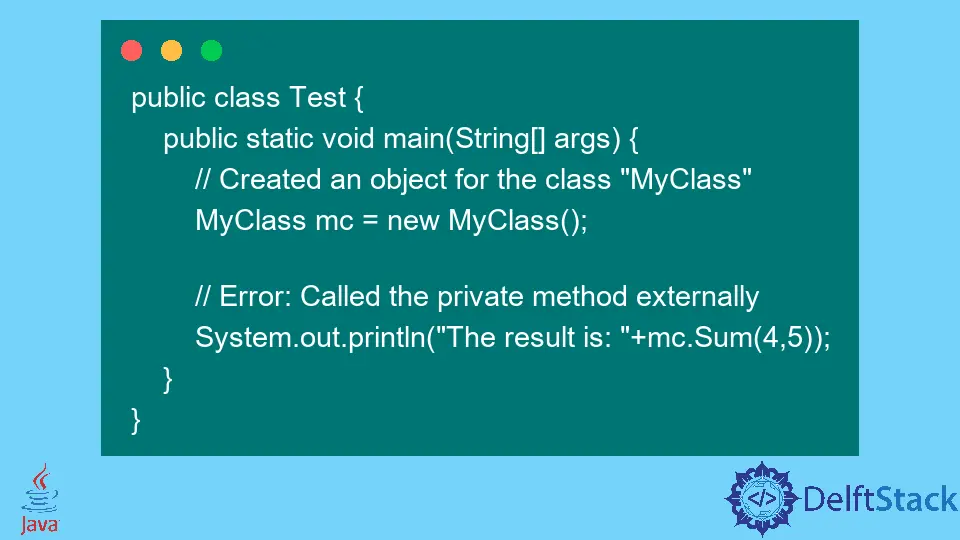
Testing private methods in Java can be a topic of contention among developers. While many argue that private methods should remain private and only be tested indirectly through public methods, others believe that testing them directly can provide more thorough unit tests. In this tutorial, we’ll explore various techniques to test private methods in Java, helping you understand when and how to apply these methods effectively.
Whether you are a seasoned developer or just starting your journey in Java, knowing how to test private methods can enhance your testing strategy. We’ll delve into different approaches, including using reflection, creating package-private methods, and utilizing testing frameworks. By the end of this article, you’ll have a clear understanding of how to test private methods in Java, ensuring your code is robust and reliable.
Understanding the Need for Testing Private Methods
Before we dive into the methods, it’s essential to grasp why you might want to test private methods in the first place. Private methods are often utility functions that encapsulate specific logic within a class. If these methods contain complex algorithms or critical business logic, testing them can help catch bugs early in the development process.
However, testing private methods directly can lead to tightly coupled code and violate the principles of encapsulation. Thus, it’s crucial to strike a balance between thorough testing and maintaining clean code. Now, let’s explore some effective methods to test private methods in Java.
Method 1: Using Reflection
One of the most common techniques to test private methods in Java is by using reflection. Reflection is a powerful feature in Java that allows you to inspect classes, interfaces, fields, and methods at runtime, regardless of their access modifiers. This means you can access private methods even if they are not visible to the calling code.
Here’s how you can do it:
import java.lang.reflect.Method;

public class PrivateMethodTest {
    private String greet(String name) {
        return "Hello, " + name + "!";
    }

    public static void main(String[] args) throws Exception {
        PrivateMethodTest test = new PrivateMethodTest();
        Method method = PrivateMethodTest.class.getDeclaredMethod("greet", String.class);
        method.setAccessible(true);
        String result = (String) method.invoke(test, "World");
        System.out.println(result);
    }
}
Output:
Hello, World!
In this example, we define a private method greet that takes a string parameter and returns a greeting message. In the main method, we use reflection to access this private method. We first retrieve the method using getDeclaredMethod, then set it as accessible with setAccessible(true). Finally, we invoke the method and print the result.
Using reflection allows you to bypass access restrictions, but it comes with drawbacks. It can make your code harder to read and maintain, and it may introduce performance overhead. Therefore, use this method judiciously, particularly in production environments.
Method 2: Changing Access Level
Another approach to test private methods is to change their access level. While this might seem counterintuitive, making a private method package-private (i.e., removing the private modifier) allows you to test it directly from your test classes. This approach maintains encapsulation while enabling testing.
Here’s an example:
public class Calculator {
    int add(int a, int b) {
        return a + b;
    }
}

public class CalculatorTest {
    public static void main(String[] args) {
        Calculator calculator = new Calculator();
        int result = calculator.add(5, 10);
        System.out.println(result);
    }
}
Output:
15
In this example, we’ve made the add method package-private. This allows us to create a test class in the same package that can directly access and test the method. This method is straightforward and keeps your code organized. However, be cautious when using this technique, as it may expose methods that should remain hidden from other classes.
Method 3: Utilizing Testing Frameworks
Testing frameworks like JUnit offer powerful tools to test private methods indirectly. By focusing on testing the public methods that call the private methods, you can verify the behavior of your class without needing to access private methods directly. This approach encourages good design practices and keeps your tests clean.
Here’s an example using JUnit:
import static org.junit.Assert.assertEquals;
import org.junit.Test;

public class StringManipulator {
    public String manipulate(String input) {
        return process(input);
    }

    private String process(String input) {
        return input.toUpperCase();
    }
}

public class StringManipulatorTest {
    @Test
    public void testManipulate() {
        StringManipulator manipulator = new StringManipulator();
        String result = manipulator.manipulate("hello");
        assertEquals("HELLO", result);
    }
}
In this example, the StringManipulator class has a public method manipulate that calls the private method process. In the test class, we test the behavior of the manipulate method, which indirectly tests the private method. This method keeps your testing focused on the public API of your classes, promoting better design and maintainability.
Conclusion
Testing private methods in Java can be a nuanced topic, but it is essential for ensuring the reliability of your code. Whether you choose to use reflection, change access levels, or rely on testing frameworks, each method has its advantages and drawbacks. The key takeaway is to maintain a balance between thorough testing and clean code design.
By understanding the various techniques available, you can make informed decisions about how to test private methods effectively. This knowledge not only enhances your coding skills but also contributes to writing robust, maintainable applications.
FAQ
-
Can I test private methods in Java?
Yes, you can test private methods using reflection, changing access levels, or indirectly through public methods. -
What is the best practice for testing private methods?
The best practice is to focus on testing public methods that utilize private methods, ensuring good encapsulation and design. -
Does using reflection affect performance?
Yes, reflection can introduce performance overhead due to its dynamic nature, so it should be used judiciously. -
Is it a good idea to change private methods to package-private for testing?
While it allows for easier testing, it may expose methods that should remain hidden, so consider the implications carefully. -
How can I ensure my tests remain maintainable?
Focus on testing the public API of your classes and avoid testing implementation details to keep your tests clean and maintainable.

Aminul Is an Expert Technical Writer and Full-Stack Developer. He has hands-on working experience on numerous Developer Platforms and SAAS startups. He is highly skilled in numerous Programming languages and Frameworks. He can write professional technical articles like Reviews, Programming, Documentation, SOP, User manual, Whitepaper, etc.
LinkedIn