How to Address Already in Use JVM_Bind Error in Java
- Understanding the JVM_Bind Error
- Method 1: Identifying the Process Using the Port
- Method 2: Terminating the Process
- Method 3: Changing the Port Configuration
- Conclusion
- FAQ Section
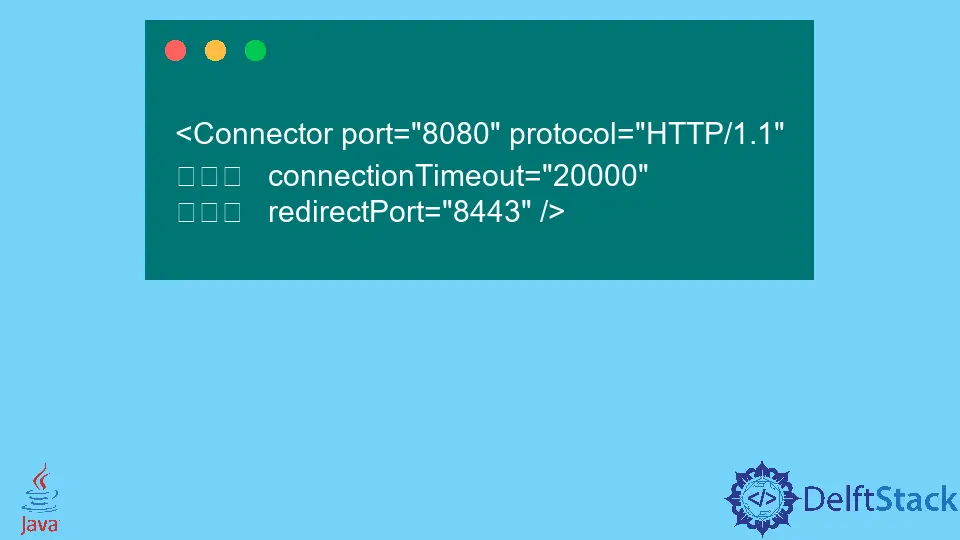
When working with Java applications, encountering the “address already in use jvm_bind” error can be frustrating. This error typically occurs when your application attempts to bind to a port that is already occupied by another process. Understanding how to troubleshoot and resolve this issue is crucial for developers who want to ensure their applications run smoothly. In this tutorial, we will explore practical methods to address the JVM_Bind error effectively.
Whether you’re running a server, a web application, or any service that requires a specific port, knowing how to handle this error can save you a lot of time and headaches. We will delve into various solutions, focusing on how to identify the processes occupying the port and how to free it up for your Java application. Let’s get started!
Understanding the JVM_Bind Error
Before diving into solutions, it’s essential to understand what the “address already in use jvm_bind” error signifies. This error indicates that your Java application is trying to use a network port that another process is currently utilizing. This is common when multiple applications attempt to use the same port, such as a web server trying to bind to port 8080, which might already be in use by another instance of the server or a different application altogether.
To effectively resolve this error, you first need to identify which process is using the port. You can do this using various commands depending on your operating system. Once you know which application is using the port, you can either terminate that process or change the port configuration of your Java application.
Method 1: Identifying the Process Using the Port
To resolve the JVM_Bind error, you need to identify the process that is currently using the port. This can be done using terminal commands. Here’s how you can do it:
On Windows
Open the Command Prompt and run the following command to find the process ID (PID) using the specific port (replace 8080 with the port number you are interested in):
netstat -ano | findstr :8080
This command lists all connections and listening ports along with the associated PID.
On macOS and Linux
Open the terminal and execute the following command:
lsof -i :8080
This command will show you which process is using port 8080.
After running these commands, you will see output similar to this:
TCP *:8080 *:* LISTEN 1234/java
The output indicates that the Java process with PID 1234 is using port 8080.
Knowing the PID allows you to take further action, whether that be terminating the process or reconfiguring your Java application.
Method 2: Terminating the Process
Once you have identified the process that is occupying the port, you can terminate it. This action will free up the port for your Java application. Here is how you can do this:
On Windows
In the Command Prompt, you can terminate the process using the following command (replace 1234 with the actual PID you found earlier):
taskkill /PID 1234 /F
On macOS and Linux
In the terminal, use the following command to kill the process:
kill -9 1234
After executing the command, you should see no output if the termination was successful.
Now, your port should be free, allowing your Java application to bind to it without issues. However, be cautious when terminating processes, as this can lead to data loss if the process is performing critical operations.
Method 3: Changing the Port Configuration
If you prefer not to terminate the existing process or if it’s a critical application, you can change the port configuration of your Java application. This approach is often more sustainable, especially in production environments. Here’s how to do it:
Modifying the Java Application
Locate the configuration file or the section of your code where the server port is defined. For example, if you are using a Spring Boot application, you can change the server port in the application.properties file:
server.port=8081
Alternatively, if you’re using a command-line argument to specify the port, you can change it as follows:
java -jar yourapp.jar --server.port=8081
This adjustment allows your application to bind to a different port, avoiding the conflict altogether.
After making the change, restart your Java application. You should no longer encounter the JVM_Bind error, as it will now attempt to bind to the newly specified port.
Conclusion
The “address already in use jvm_bind” error can be a significant roadblock in your Java development journey. However, understanding how to identify the processes using the port, terminating them, or modifying your application’s port configuration can help you resolve this issue effectively. By following the methods outlined in this tutorial, you can ensure that your Java applications run smoothly without interruptions.
Remember, addressing this error promptly not only improves your development experience but also enhances the reliability of your applications. Stay proactive, and happy coding!
FAQ Section
-
What causes the JVM_Bind error?
The JVM_Bind error occurs when a Java application tries to bind to a port that is already in use by another process. -
How can I find out which process is using a specific port?
You can use commands likenetstat -anoon Windows orlsof -ion macOS/Linux to identify the process using a specific port. -
Is it safe to terminate a process that is using a port?
Terminating a process can lead to data loss if it is performing critical operations. Always ensure that it is safe to do so. -
Can I change the port configuration of my Java application?
Yes, you can change the port configuration in your application settings or code to avoid the JVM_Bind error. -
What should I do if changing the port does not resolve the issue?
If changing the port does not resolve the issue, ensure there are no other underlying network issues or firewall settings blocking the port.

Sheeraz is a Doctorate fellow in Computer Science at Northwestern Polytechnical University, Xian, China. He has 7 years of Software Development experience in AI, Web, Database, and Desktop technologies. He writes tutorials in Java, PHP, Python, GoLang, R, etc., to help beginners learn the field of Computer Science.
LinkedIn FacebookRelated Article - Java Error
- How to Fix the Error: Failed to Create the Java Virtual Machine
- How to Fix the Missing Server JVM Error in Java
- How to Fix the 'No Java Virtual Machine Was Found' Error in Eclipse
- How to Fix Javax.Net.SSL.SSLHandShakeException: Remote Host Closed Connection During Handshake
- How to Fix the Error: Failed to Create the Java Virtual Machine
- How to Fix Java.Lang.VerifyError: Bad Type on Operand Stack