Practical solutions

MongoDB Howtos How-To Guides

Solve the problem. Keep building. Collection of MongoDB how-to articles

Find the answer you need

Browse practical solutions, grouped by the task you're working on.

__COUNT__ entries on this page
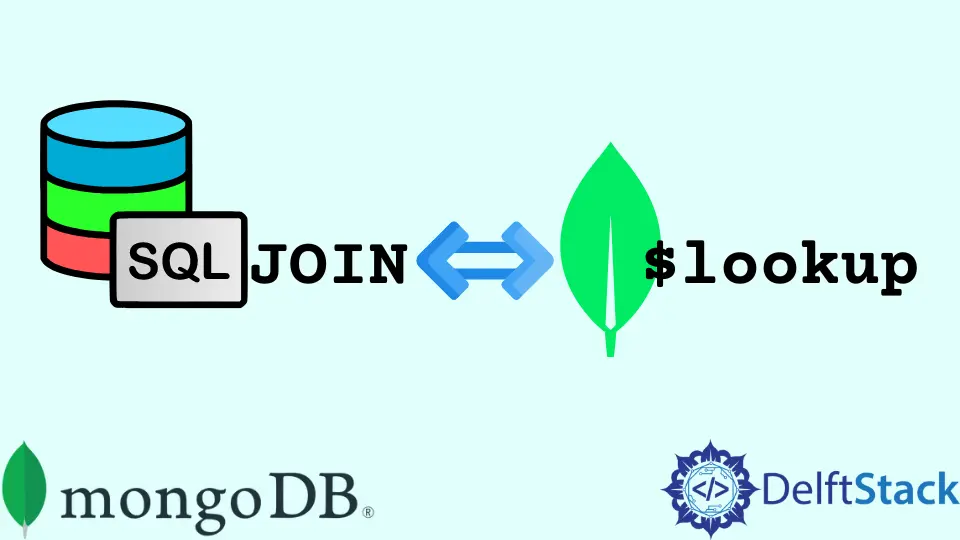
Compound Index in MongoDBThis tutorial will guide you through creating compound indexes in MongoDB. Learn how to optimize your database queries by leveraging compound indexes for improved performance. Discover practical examples, query optimization techniques, and best practices for managing your MongoDB indexes effectively. Whether you are a beginner or an experienced developer, this comprehensive guide will enhance your understanding of MongoDB indexing strategies. How to Implement Auto Increment in MongoDBThis tutorial will discuss how to implement auto increment in MongoDB. Learn effective methods to generate unique identifiers for your documents, including using a counter collection and the aggregation framework. Enhance your database management skills with practical examples and clear explanations tailored for developers. Discover best practices and considerations for maintaining data integrity while leveraging MongoDB's capabilities. How to Print Document Values Using MongoDB ShellThis tutorial demonstrates how to print document values instead of whole documents using the MongoDB shell. How to Fuzzy Search in MongoDBThis tutorial demonstrates how we can perform fuzzy search in MongoDB. How to Install and Use Elasticsearch With MongoDB on Windows and UbuntuThis tutorial educates how to install and use Elasticsearch with MongoDB on Windows/Ubuntu operating system. MongoDB Maximum Document SizeThis tutorial describes the maximum document size limit in MongoDB. It also tells how to use the default BSON size limit efficiently and store data if it exceeds the limit for storing documents. How to Aggregate Match in an Array in MongoDBThis tutorial educates about using MongoDB aggregate match in an array via code examples. Query Similar to the SQL LIKE Statement in MongoDBIn this article, we will use MongoDB to use queries similar to the SQL LIKE statement to fetch data. We will use regular expressions for searching documents in MongoDB. How to Delete All Records of a Collection in MongoDB ShellIn this MongoDB article, you will learn how to delete the records in a collection using MongoDB through the help of a few examples. We'll go over this with examples of implementing various operations. The in Operator in MongoDBThis MongoDB tutorial will tell you what is $in operator MongoDB and what is the syntax of $in operator in MongoDB. It is explained that how you can use $in operator to match values in database collection and how you can use it to update records in database. How to Start MongoDB From WindowsThis MongoDB tutorial will tell you how you can download and install MongoDB server in windows. It also includes steps to install server as a service or not as a service. MongoDB $Set OperatorIn this article, you will learn how to use the $set operator to partially update an object in MongoDB so the new object will overlay/merge with the existing one. How to Find by ID in MongoDBThe find by Id() function in MongoDB is used to fetch the document that matches the id as supplied by the user. It returns a null value if no document matching the specified id is found. How to Use the findOneAndUpdate() Method in MongoDBThe findOneAndUpdate() method updates the first matched document in the collection that matches the selection criteria. Using this method, the user can replace embedded documents, etc. How to Query for Documents With Array Size Greater Than 1 in MongoDBThis tutorial discusses how to use the $size, $where, and $exists operators in MongoDB to query for records when array size is greater than 1. What Is MongoDB Default Username and PasswordIn this MongoDB article you will learn in great detail what are the default username and password. You will also learn how to find username and password in MongoDB. How to Update Multiple Documents in MongoDBIn this article, the updateMany() method will be used to update multiple documents at once. This method updates all of the collection's documents that match the specified filter. How to Store Images in MongoDBThis tutorial article will tell you how to store images in MongoDB. Different methods to store images in MongoDB and storing images in MongoDB using python are discussed briefly. How to Return Query Based on Date in MongoDBThis MongoDB tutorial article will tell you how to query with Date Range in MongoDB and how to return query based on Date in MongoDB. Moreover, commands $gte, $lte, $gt and $lt are explained. How to Perform SQL JOIN Equivalent in MongoDBThis tutorial will tell you what are joins in MongoDB and how to create an index in MongoDB. Moreover, connecting SQL with MongoDB using join equivalent methods. How to Fix Shutting Down With Code:100 Error in MongoDBThe MongoDB exit code 100 error may occur due to incorrect file permissions or missing database directories. This MongoDB tutorial article will discuss how you can fix this MongoDB error for yourself. How to Create a MongoDB Dump of a DatabaseThis tutorial will tell you what MongoDB dump is and how to use the mongodump command. This will also teach you how to backup a Mongodump collection and dump all databases. Waiting on 27017 After InstallationThrough the help of this MongoDB article, you will learn how to install MongoDB on your computer and get rid of the waiting on 27017 error after installation and why it occurs. How to Query for Is Not Null Value in MongoDBThis guide aims to provide readers with different ways and examples to query for is not null values in MongoDB. We can use the $ne operator and the $eq operator and specify the desired value that we want to query for.