Named Parameters in JavaScript
- What Are Named Parameters?
- Implementing Named Parameters in JavaScript
- Advantages of Using Named Parameters
- Conclusion
- FAQ
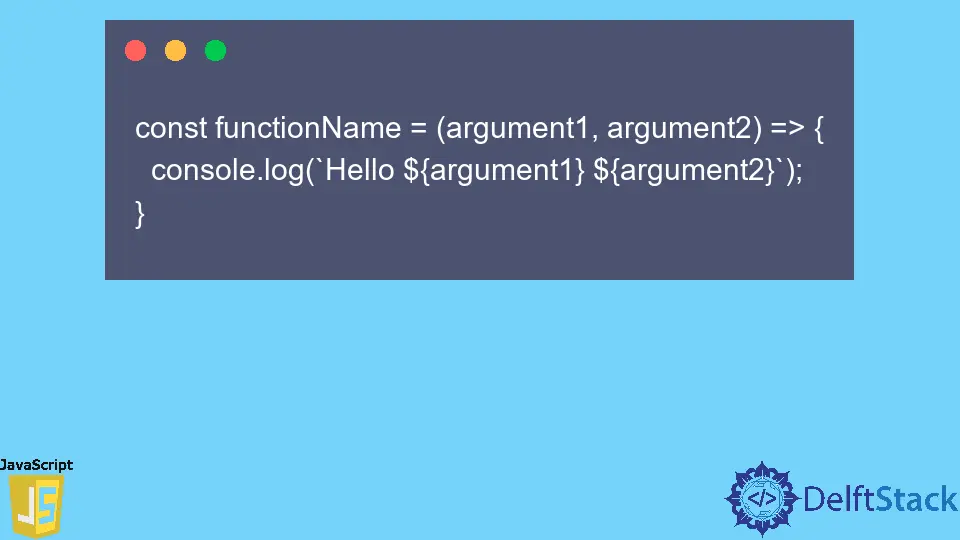
In today’s post, we’ll look at named parameters in JavaScript, a powerful feature that can make function calls more intuitive and readable. Named parameters allow developers to pass arguments to functions using an object, which can enhance code clarity and maintainability. This approach eliminates the confusion of positional parameters, especially when dealing with functions that require multiple arguments. By the end of this article, you will understand how to implement named parameters in your JavaScript code effectively, along with practical examples to illustrate their benefits.
What Are Named Parameters?
Named parameters in JavaScript are not a built-in language feature but are commonly implemented using objects. Instead of passing parameters in a specific order, you can pass an object where the keys correspond to the parameter names. This method allows you to specify only the parameters you need and makes your function calls more self-documenting.
For example, consider a function that takes multiple parameters. Instead of calling it like this:
function createUser(name, age, email) {
  // Function logic here
}

createUser('Alice', 30, 'alice@example.com');
You can rewrite it using named parameters:
function createUser({ name, age, email }) {
  // Function logic here
}

createUser({ name: 'Alice', age: 30, email: 'alice@example.com' });
This way, it becomes clear what each argument represents, improving readability.
Implementing Named Parameters in JavaScript
Using Objects for Named Parameters
One of the most straightforward ways to implement named parameters is by using an object. When you define a function, you can specify that it accepts an object as its argument. This technique is particularly useful when dealing with functions that require many parameters or when some parameters are optional.
Here’s how you can do it:
function configureSettings({ theme = 'light', notifications = true, language = 'en' }) {
  console.log(`Theme: ${theme}`);
  console.log(`Notifications: ${notifications}`);
  console.log(`Language: ${language}`);
}

configureSettings({ theme: 'dark', language: 'fr' });
Output:
Theme: dark
Notifications: true
Language: fr
In this example, the configureSettings function takes an object with three properties: theme, notifications, and language. When calling the function, you can specify only the parameters you want to change, while others will take their default values. This flexibility is one of the key advantages of using named parameters.
Handling Optional Parameters
Named parameters also shine when you need to handle optional parameters. By using an object, you can easily omit parameters without worrying about their positions. This makes your code cleaner and less error-prone.
Here’s an example:
function sendEmail({ to, subject, body, cc = '', bcc = '' }) {
  console.log(`To: ${to}`);
  console.log(`Subject: ${subject}`);
  console.log(`Body: ${body}`);
  console.log(`CC: ${cc}`);
  console.log(`BCC: ${bcc}`);
}

sendEmail({ to: 'bob@example.com', subject: 'Meeting', body: 'Let’s discuss the project.' });
Output:
To: bob@example.com
Subject: Meeting
Body: Let’s discuss the project.
CC:
BCC:
In this case, the cc and bcc parameters are optional. If they are not provided, they default to empty strings. This allows for a more concise function call while maintaining clarity.
Advantages of Using Named Parameters
Improved Readability
One of the most significant benefits of named parameters is improved readability. When you pass an object to a function, anyone reading the code can quickly understand what each argument represents. This is particularly valuable in large codebases where functions can have many parameters.
Flexibility with Defaults
Named parameters allow you to set default values for parameters directly in the function definition. This means you can create functions that are easier to use without requiring every parameter to be explicitly defined every time.
Simplified Function Calls
With named parameters, you can omit optional parameters without worrying about their order. This can lead to cleaner and more straightforward function calls, reducing the cognitive load on developers.
Conclusion
Named parameters in JavaScript provide a powerful way to enhance function calls’ clarity and flexibility. By using objects to represent parameters, developers can create more readable and maintainable code. This approach is especially beneficial in complex applications, where function signatures may become unwieldy. As you incorporate named parameters into your JavaScript functions, you’ll find that they not only improve your code’s readability but also make it easier to manage optional parameters and default values. Start using named parameters today to streamline your JavaScript development!
FAQ
-
What are named parameters in JavaScript?
Named parameters are a way to pass arguments to functions using an object, allowing you to specify the parameters by name instead of position. -
How do named parameters improve code readability?
They make it clear what each argument represents, reducing confusion and enhancing self-documentation. -
Can I use named parameters for optional arguments?
Yes, named parameters allow you to easily omit optional arguments without worrying about their order. -
Are named parameters a built-in feature of JavaScript?
No, named parameters are not a built-in feature but are commonly implemented using objects. -
What is the advantage of using named parameters over traditional parameters?
Named parameters provide improved readability, flexibility with defaults, and simplified function calls.

Shraddha is a JavaScript nerd that utilises it for everything from experimenting to assisting individuals and businesses with day-to-day operations and business growth. She is a writer, chef, and computer programmer. As a senior MEAN/MERN stack developer and project manager with more than 4 years of experience in this sector, she now handles multiple projects. She has been producing technical writing for at least a year and a half. She enjoys coming up with fresh, innovative ideas.
LinkedIn