How to Revert a Git Merge With Conflicts
- Understanding Git Merge Conflicts
- Method 1: Using Git Reset
- Method 2: Using Git Checkout
- Method 3: Using Git Revert
- Conclusion
- FAQ
When working with Git, merging branches is a common practice that allows developers to integrate changes from different sources. However, sometimes these merges can lead to conflicts that need to be resolved. If you find yourself in a situation where a Git merge has resulted in conflicts, you may want to revert that merge to restore your project to its previous state. This process can seem daunting, but with the right steps, you can undo a Git merge with conflicts effectively.
In this article, we will explore various methods to revert a Git merge with conflicts. Whether you’re a seasoned developer or just starting out, understanding how to handle these situations is crucial. We will provide clear examples and explanations to help you navigate through the process smoothly. Let’s dive in!
Understanding Git Merge Conflicts
Before we get into how to revert a Git merge, it’s essential to understand what a merge conflict is. A merge conflict occurs when Git cannot automatically resolve differences between two branches. This typically happens when changes are made to the same line of code in both branches or when one branch deletes a file that the other branch modifies.
When you attempt to merge branches and conflicts arise, Git will halt the merge process and mark the files with conflicts. You’ll need to resolve these conflicts manually, which can be time-consuming and complex. If you decide that the merge is not worth the trouble, you can revert it. Let’s look at how to do this using different methods.
Method 1: Using Git Reset
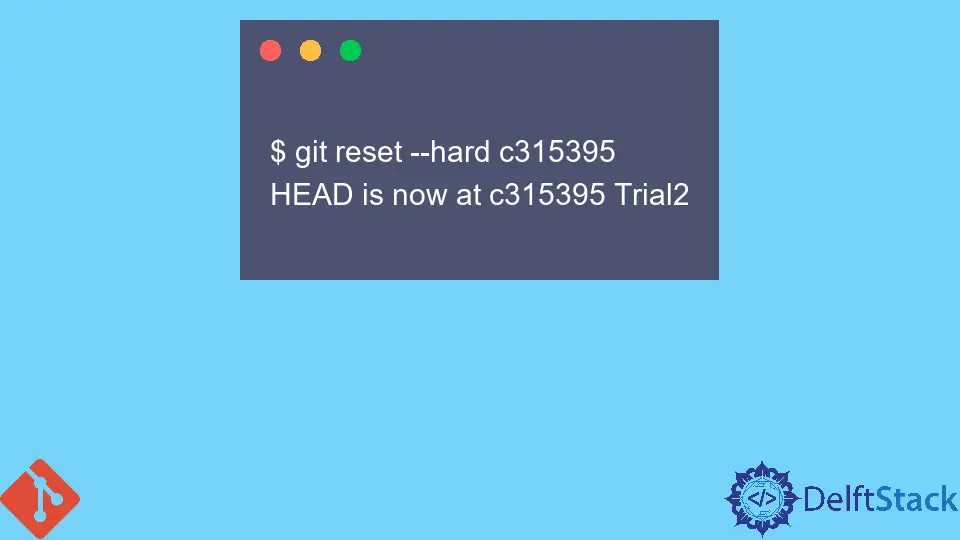
One of the simplest ways to revert a Git merge with conflicts is by using the git reset command. This command allows you to reset your current branch to a specific state, effectively undoing any changes made since that point. Here’s how to do it:
First, check your Git log to find the commit hash before the merge. You can do this by running:
git log --oneline
Once you identify the commit hash, you can reset your branch to that commit:
git reset --hard <commit-hash>
Replace <commit-hash> with the actual hash you found in the previous step.
Output:
Successfully reset to <commit-hash>
Using git reset --hard will discard all changes made after the specified commit, including any merge conflicts. Be cautious with this command, as it will permanently delete any uncommitted changes. This method is effective for reverting a merge when you want to return to a clean state without the conflicts.
Method 2: Using Git Checkout
Another approach to revert a Git merge with conflicts is to use the git checkout command. This method allows you to check out a specific commit, effectively discarding the merge changes. Here’s how to do it:
First, identify the commit hash before the merge using:
git log --oneline
Then, check out the commit you want to revert to:
git checkout <commit-hash>
Replace <commit-hash> with the appropriate hash.
Output:
HEAD is now at <commit-hash> Your message about the commit
After checking out the previous commit, you will be in a detached HEAD state. This means you are not on any branch. If you want to continue working from this point, you can create a new branch:
git checkout -b new-branch-name
Using git checkout is a safe way to explore previous commits without permanently losing your changes. However, remember that you will need to create a new branch if you want to keep working after reverting.
Method 3: Using Git Revert
If you want to keep the history of your changes but still undo the merge, the git revert command is your best bet. This command creates a new commit that undoes the changes made by the merge. Here’s how to do it:
First, find the merge commit hash by running:
git log --oneline
Then, revert the merge commit using:
git revert -m 1 <merge-commit-hash>
Replace <merge-commit-hash> with the hash of the merge commit you want to revert.
Output:
Reverting commit <merge-commit-hash>
The -m 1 flag indicates that you are reverting the first parent of the merge commit. This method is particularly useful if you want to maintain a record of the merge in your project history while undoing its effects. It’s a safer way to handle merges, especially in collaborative environments.
Conclusion
Reverting a Git merge with conflicts can be a straightforward process if you know the right commands to use. Whether you opt for git reset, git checkout, or git revert, each method has its own advantages. Understanding these commands will empower you to manage your Git repository more effectively, ensuring that you can handle conflicts and merges with confidence.
As you continue to work with Git, remember that practice makes perfect. Familiarize yourself with these commands, and you’ll find that reverting merges becomes a seamless part of your workflow. Happy coding!
FAQ
-
What is a Git merge conflict?
A Git merge conflict occurs when Git cannot automatically resolve differences between two branches, often due to changes made to the same line of code. -
Can I recover my work after using git reset?
If you usegit reset --hard, you will lose all uncommitted changes. However, if you usegit reset --soft, your changes will be kept in the staging area. -
What does the -m flag do in git revert?
The -m flag specifies the parent number to revert to in a merge commit. It indicates which parent’s changes should be kept. -
Is there a way to resolve conflicts without reverting?
Yes, you can manually resolve conflicts by editing the conflicting files and then staging the changes before completing the merge. -
Can I undo a revert?
Yes, you can revert the revert by using the samegit revertcommand on the revert commit.

John is a Git and PowerShell geek. He uses his expertise in the version control system to help businesses manage their source code. According to him, Shell scripting is the number one choice for automating the management of systems.
LinkedInRelated Article - Git Reset
- Difference Between the Git Reset, Revert, and Checkout Commands
- How to Make the Development Branch Identical to the Master Branch
- How to Remove Local Git Changes
- Difference Between Git RM --Cached and Git Reset File
- How to Revert a Git Repository by Commit ID