Practical solutions

PostgreSQL Howtos How-To Guides

Solve the problem. Keep building. Collection of PostgreSQL how-to articles

Find the answer you need

Browse practical solutions, grouped by the task you're working on.

__COUNT__ entries on this page
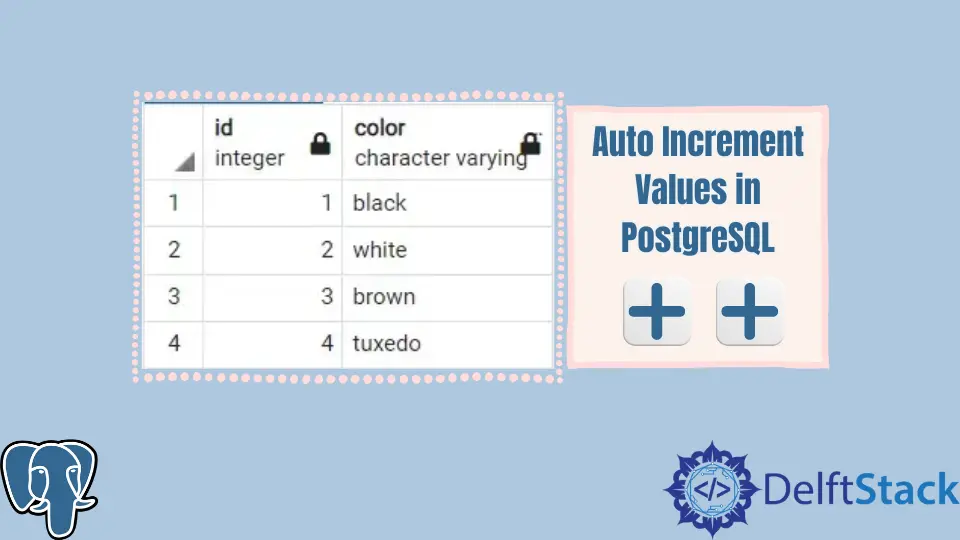
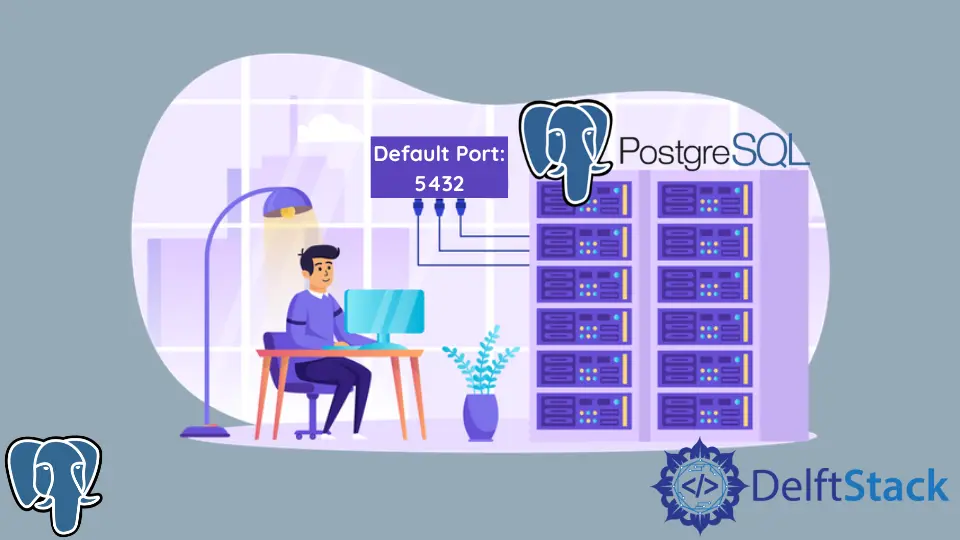
How to Run PostgreSQL in Memory OnlyThis article discusses using a database in memory in PostgreSQL. How to Insert Current Timestamp in PostgreSQLThis article shows the different ways to insert current timestamp in PostgreSQL. How to Convert From Unix Epoch to the Date in PostgreSQLThis article mentions how to convert Unix epoch to the date in PostgreSQL. How to Check if PostgreSQL Server Is Running on macOSThis article mentions several BASH commands to check for the status of PostgreSQL. How to Add PostgreSQL Database as a Maven DependencyThis article provides an in-depth approach on how to add the PostgreSQL database dependency to Maven. How to Differentiate Between Numeric and Decimal Data Types in PostgreSQLThis tutorial guides the reader on the difference between numeric and decimal data types in the PostgreSQL database. How to Search Data Saved in Uppercase in PostgreSQLThis tutorial demonstrates how to use a keyword written in lowercase to search for data saved in an uppercase form in PostgreSQL. How to PostgreSQL Database EncryptionThis article explains multiple ways to encrypt your data in PostgreSQL. How to PostgreSQL - Check Date and Time Relative to TodayThis article demonstrates how to check the current date and time relative to today. How to Log All PostgreSQL QueriesThis article demonstrates how to log all PostgreSQL queries. It also shows how to alter configuration files. How to Install and Troubleshoot the ODBC Driver for PostgreSQLThis article discusses how a user can install and set up a Postgres ODBC driver along with common problems users may face. How to Drop Not Null Constraint in PostgreSQLThis article discusses how to drop not null constraint in different ways. How to Create a Read Only User in PostgreSQLThis tutorial demonstrates creating a read-only user in PostgreSQL. Auto Increment Values in PostgreSQLThis article describes how to auto increment values in PostgreSQL. Alternatives to DATEADD() in PostgreSQLThis article discusses alternatives to DATEADD() in PostgreSQL. PostgreSQL Default PortThis article clears all confusions that users may have while figuring out the right PostgreSQL default port and helps navigate them through errors that may show up. Introduction to Views in PostgreSQLThis article introduces how we can create, edit, display, and delete views in PostgreSQL. Best Postgres Clients Available for Windows UsersThis article explains what Postgres clients are and describes some options that Windows users may adopt. PostgreSQL Port 5432This article explains the workings of PostgreSQL port 5432 and issues that may occur while trying to connect to it. The initdb Command in PostgreSQLThis article depicts the working of the initdb command in the PostgreSQL server. The DISTINCT Clause in PostgreSQLThis article demonstrates the use of the distinct clause in PostgreSQL. Database Cluster in PostgreSQLThis article explains what a database cluster is and how to create one in PostgreSQL. PostgreSQL Distinct Count of Field ValuesThis tutorial discusses how to get the distinct count of values in a field in PostgreSQL. JSONB in PostgreSQLJSONB stands for JSON Binary. Basically a decomposed binary format to store the JSON data. The reason to use this are flexibility in schema, nested object and syncing with exterrrnal data sources.