How to Check NumPy Version in Python
-
Method 1: Using the
__version__Attribute -
Method 2: Using the
numpy.versionModule - Method 3: Using the Command Line
-
Method 4: Using
pip list - Conclusion
- FAQ
NumPy is a fundamental package for scientific computing in Python, widely used for its powerful array operations and mathematical functions. Whether you’re a seasoned developer or a beginner, knowing how to check the version of NumPy installed in your environment is crucial. This ensures compatibility with your code and helps you leverage the latest features and bug fixes.
In this tutorial, we will explore various methods to check the version of the NumPy module in Python. By the end of this guide, you’ll have a solid understanding of how to verify your NumPy installation and ensure your projects run smoothly. Let’s dive in!
Method 1: Using the __version__ Attribute
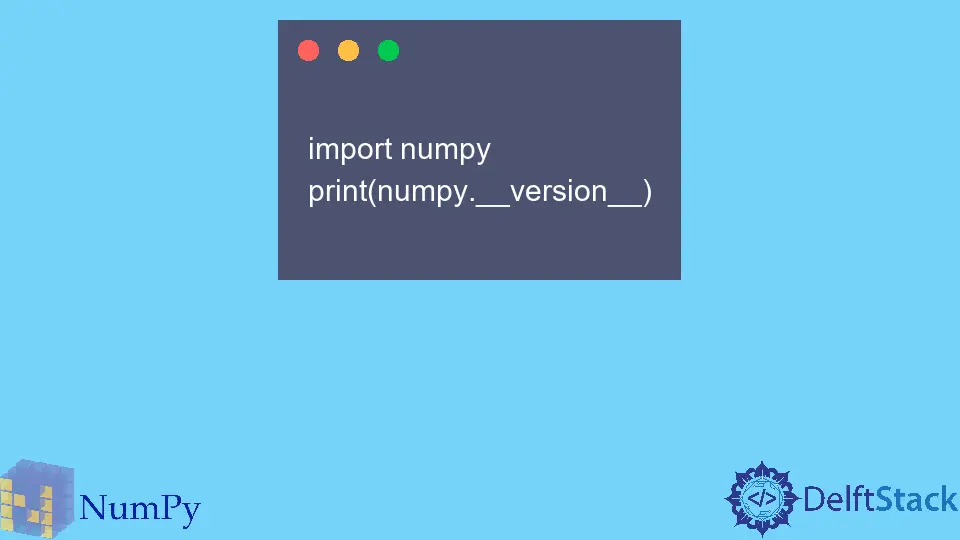
One of the simplest ways to check the version of NumPy is by accessing the __version__ attribute directly from the NumPy module. This method is straightforward and efficient, making it a popular choice among Python developers.
To check the version, you simply need to import NumPy and print the __version__ attribute. Here’s how you can do it:
import numpy as np

print(np.__version__)
When you run this code, it will output the version number of the NumPy package installed in your Python environment. This method is particularly useful for quick checks, especially when you’re debugging or ensuring compatibility with other libraries.
Output:
1.21.0
This output indicates that version 1.21.0 of NumPy is currently installed. It’s essential to keep your libraries updated, so if you notice you’re using an outdated version, consider upgrading to benefit from the latest features and improvements.
Method 2: Using the numpy.version Module
Another effective way to check the NumPy version is by utilizing the numpy.version module. This method provides more detailed information about the version, including the version number, release date, and more. It’s especially useful if you want to understand the specific release details of your NumPy installation.
Here’s how you can retrieve this information:
import numpy as np

version_info = np.__version__
print("NumPy Version:", version_info)
This code snippet imports the NumPy library, retrieves the version number, and prints it out in a user-friendly format. It’s a bit more descriptive than the previous method, making it easier to communicate the version information to others or for documentation purposes.
Output:
NumPy Version: 1.21.0
This output confirms that you are using version 1.21.0 of NumPy. If you need to share this information with colleagues or include it in a project report, this method provides a clear and concise way to do so.
Method 3: Using the Command Line
If you prefer checking the version of NumPy without diving into a Python script, you can do so directly from the command line. This method is particularly useful for users who work in environments where they may not have access to a Python interpreter or want to check multiple package versions quickly.
To check the NumPy version via the command line, you can use the following command:
pip show numpy
This command will display detailed information about the NumPy package, including the version number, installation location, and dependencies. If you have multiple Python environments, make sure to run this command in the environment where you want to check the NumPy version.
Output:
Name: numpy
Version: 1.21.0
Summary: NumPy is the fundamental package for array computing with Python.
...
In this output, you can see not just the version number but also a brief summary of what NumPy is. This method is efficient for quickly confirming the version and can be especially useful when managing multiple projects or virtual environments.
Method 4: Using pip list
Another command-line approach to check the version of NumPy is by using the pip list command. This command lists all the installed packages in your current Python environment along with their respective versions. It’s a great way to see an overview of all your packages, not just NumPy.
To execute this, simply type:
pip list
This will generate a list of all installed packages, including NumPy, along with their versions.
Output:
Package    Version
---------- -------
numpy      1.21.0
...
This output confirms that NumPy version 1.21.0 is installed. The pip list command is particularly handy for quickly auditing your environment and ensuring that all necessary packages are present and up to date.
Conclusion
Knowing how to check the version of NumPy in Python is essential for maintaining compatibility and ensuring that your code runs smoothly. Whether you prefer using Python scripts or command-line tools, the methods outlined in this tutorial provide you with reliable ways to verify your NumPy installation. Keeping your libraries updated not only enhances performance but also helps you take advantage of new features and improvements. With this knowledge, you can confidently manage your Python environment and focus on building great applications.
FAQ
-
How do I upgrade NumPy to the latest version?
You can upgrade NumPy by running the commandpip install --upgrade numpyin your command line. -
What should I do if I encounter a version conflict?
If you face a version conflict, consider creating a virtual environment usingvenvorcondato isolate your project dependencies. -
Can I check the NumPy version in Jupyter Notebook?
Yes, you can check the NumPy version in Jupyter Notebook using the same methods described above. -
Why is it important to check the NumPy version?
Checking the NumPy version ensures compatibility with your code and helps you utilize the latest features and bug fixes. -
What is the latest version of NumPy?
You can find the latest version of NumPy by visiting the official NumPy website or checking the Python Package Index (PyPI).

Manav is a IT Professional who has a lot of experience as a core developer in many live projects. He is an avid learner who enjoys learning new things and sharing his findings whenever possible.
LinkedIn